
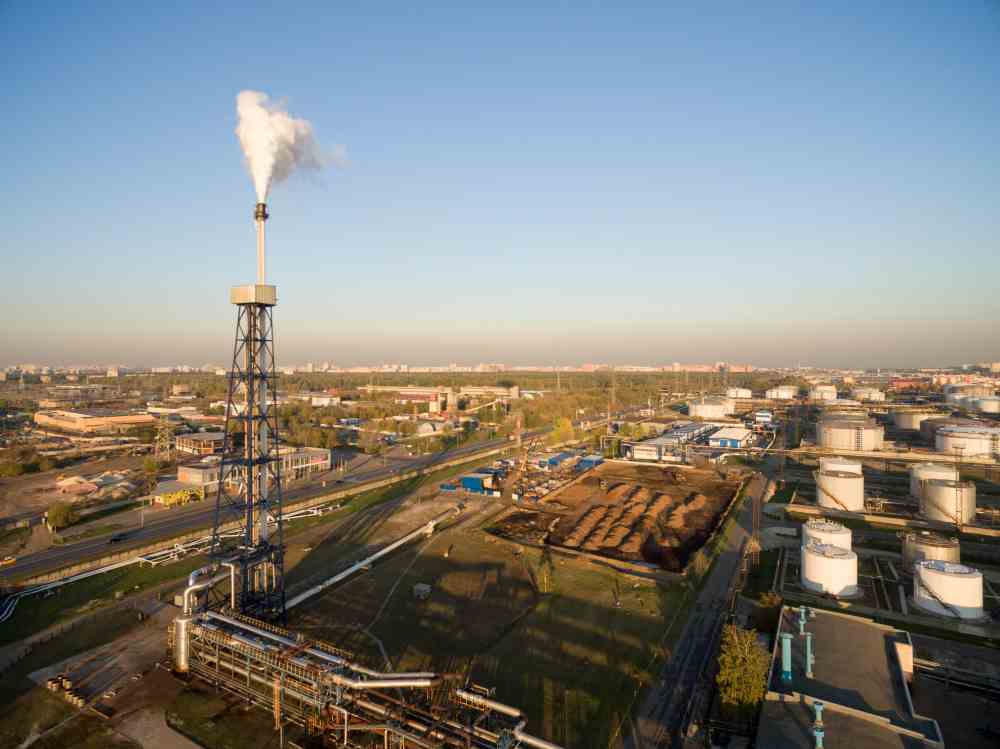
Queensland is building a SuperGrid, a massive upgrade of renewable energy generation, poles and wires, and energy storage. As this project progresses and the proportion of renewables on the grid grows, more peaking power generation will be needed.
Why gas‑fired generation still matters
Gas-fired generation is a key part of the global energy transition and currently provides about 23% of the world’s electricity generation. Compared with existing coal plants, it can reduce CO₂ emissions by up to 65%, and by up to 60% compared with oil plants.
On days with little or no sun and wind exposure, gas-fired power plants step in to provide much-needed dispatchable power.
Gas turbines and their role in grid stability
In traditional power systems, stability and resilience are provided by conventional power plants with synchronous generators that supply essential ancillary services such as inertia, voltage control, and short-circuit strength. But most renewable energy sources can’t do this, which makes them prone to voltage swings, frequency drops, and even widespread blackouts.
Meanwhile, gas turbine generator sets with rotating machinery can deliver physical rotational inertia, synchronous strength, stabilising grid voltage through reactive power, and system strengthening with short-circuit power.
With an optional synchronous condenser mode, generators can remain connected to the grid year-round even when the gas turbine, or steam turbine in a combined-cycle plant (CCPP), is not producing active power.
A flywheel can also be added to further increase inertia. The greater the inertia provided by rotating equipment, the more renewable generation the grid can accommodate, enabling higher levels of renewable energy penetration.
Townsville Power Station a blueprint for Queensland’s future gas assets
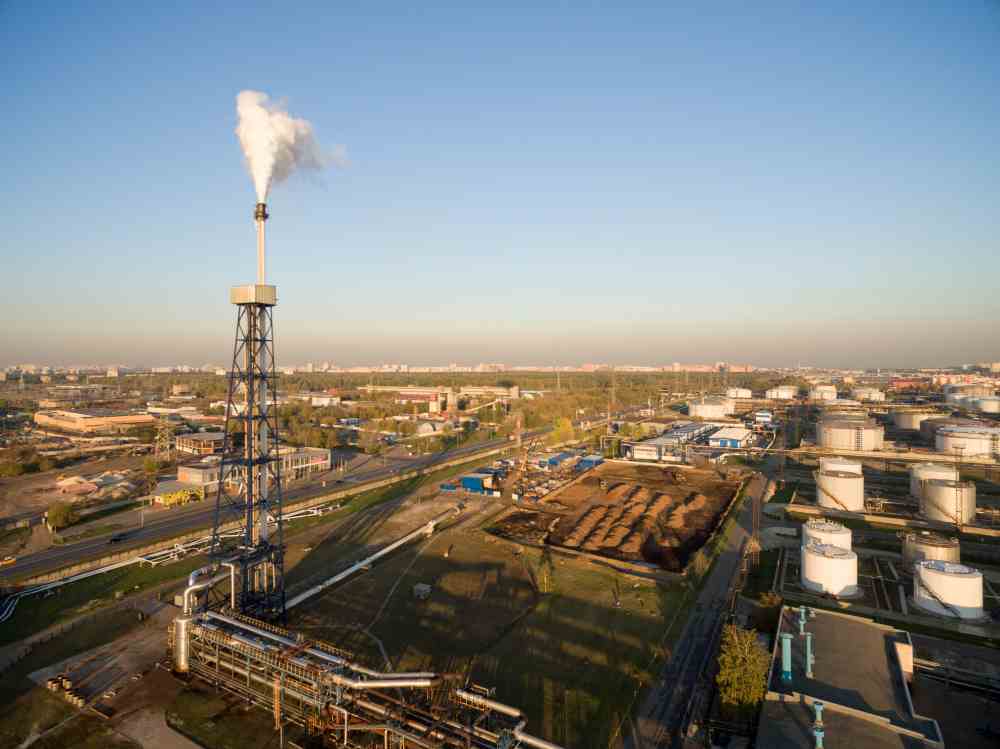
Townsville Power Station supports reliable energy supply in Queensland by providing electricity to the National Electricity Market (NEM) with major redevelopment in 2005 increasing its capacity to 242MW.
The project is showing what the future of gas assets in Queensland could look like, as it converts gas turbines and generators into Hybrid Rotating Grid Stabilisers (RGS) — a flexible setup that can instantly switch between making electricity and stabilising the grid.
In 2025, Siemens Energy converted the existing system into a Hybrid Rotating Grid Stabiliser using an SSS Clutch. So, the generator switches quickly between power generation and synchronous condenser modes. In synchronous condenser mode, the generator supplies rotating inertia and short-circuit current to strengthen the grid.
And this hybrid approach brings major advantages. As noted on the SSS Clutch official website statement:
“RATCH-Australia gained a new revenue stream for providing grid services and the capability to switch flexibly between power generation and grid stabilization modes. Also the grid stabilization capability comes at up to 50% less cost than a new synchronous condenser, and it can be completed in 18 months instead of three years.”
How gas fits into Queensland’s Energy Roadmap
Today, Queensland operates around 3.5GW of gas-fired generation. According to the Queensland Energy Roadmap 2025, the capacity could increase to up to 4.1GW by 2030 and between 6.1GW and 8.3GW by 2035.
The Roadmap also introduces the 400MW Central Queensland Gas Power Tender, where both private developers and government‑owned corporations can get involved in gas projects.
These gas-focused initiatives form part of Queensland’s broader reliability and affordability strategy. At the same time, delivering new renewable firming generation and grid security as the state’s energy transition continues.
Engineering, repowering, and whole‑of‑life management
Hybrid updates like the one at Townsville Power Station show how smart engineering can give older gas turbines a new and valuable purpose. Queensland will likely need more of these types of repowering projects to add more inverter-based renewable generation to the grid.
These engineering changes allow the generator to operate independently of the turbine, providing system strength, inertia, and short‑circuit support. Because solar and wind do not provide natural rotational inertia, the power system must rely more heavily on technology that can deliver physical stability.
Get your gas asset ready for the future grid
Modernising gas turbines through control system upgrades, mechanical repowering, careful commissioning, and close coordination with original equipment manufacturers (OEMs) helps maintain these units so they can deliver essential stabilising services for many years. Getting them right from the start can save months of rework and millions in long‑term costs.
Arche provides deep technical expertise across all phases of gas turbine lifecycle management – from feasibility and OEM engagement through to commissioning and performance tuning. If stability services are a key part of your project, speak with us about how to optimise your design and delivery.