
Around 42% of homes in Australia have solar power installed, leading us to the world’s highest rate of rooftop solar adoption. As electricity prices continue to rise, pairing battery storage with existing solar panels is becoming an increasingly popular option. Businesses and households can typically reduce electricity bills by around 30–50%. And that’s one of the reasons that combining solar and battery systems is quickly becoming the new standard in Australia.
What is a solar and battery hybrid system
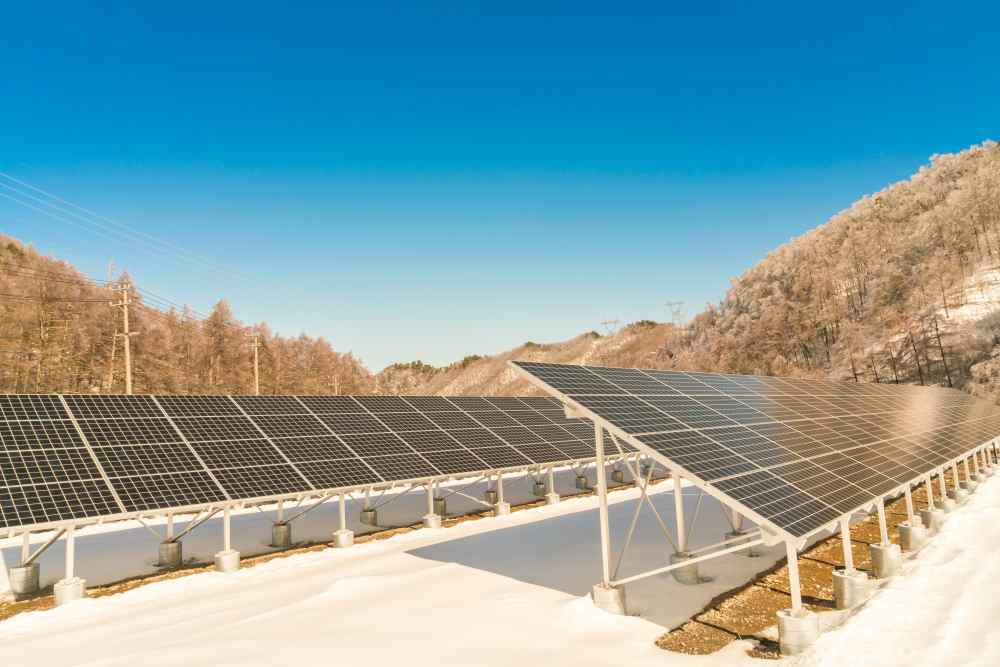
Solar photovoltaic (PV) systems convert the sun’s heat and light into electricity using semiconductor-based solar cells technology. You can install one or more solar panels on rooftops to power a household. While for businesses or larger facilities, PV panels can be combined into large-scale solar farms capable of generating hundreds of megawatts of electricity.
However, the panels generate electricity only during sunlight hours and excess energy is exported back into the grid. The challenge comes overnight when solar panels are no longer generating but power usage is at peak.
Battery storage – typically lithium iron phosphate (LFP) or lithium-ion chemistry – solves this by storing unused solar energy for later. In practice, solar-storage hybrid systems allow energy to be used when it is most valuable, not just when it is generated.
Solar-only is no longer enough
A solar-only system doesn’t capture the full value of electricity in today’s market, because:
- During the day, many systems generate excess electricity and export it to the grid. With so much solar online, that energy is often worth less and sometimes very little.
- Energy demand usually peaks in the evening or cloudy days, but solar generation drops to zero, so people rely on grid power right when prices are higher.
- High volumes of daytime generation followed by evening peaks create pressure on the system. Balancing supply and demand can be more complex without storage.
A system that relies solely on solar power no longer fits the current way energy is used or priced.
Why hybrids are becoming the new standard
Solar and battery storage are becoming a go-to option for utility-scale projects due to lower costs, easier deployment, and growing industrial energy demand.
1. Maximise your solar use
Without a battery, any extra solar energy generated during the day is sent back to the grid on a low feed-in tariff. But with storage, that energy can be kept on-site and used later for your house or business facilities. This means, you can make better use of every kilowatt your panels produce.
2. More control and backup
A solar PV and battery combination gives homes and businesses more control over how you use energy to manage peak demand periods and reduce dependence on the grid. You can also use stored energy during grid outages or disruptions to avoid downtime and operational risks.
3. Protection against rising energy costs
Electricity prices in Australia have been increasing for years with no signs of reversal. With a solar and battery system, you can store and use more of your own energy instead of buying electricity from the grid, which can help you get lower bills and make energy costs more predictable over time.
With a 10kWh battery system and 80–90% self-consumption, households can potentially save between $2,500 and $3,000 per year on electricity bills.
4. Smarter energy use
Modern battery systems now can automatically pull in and store electricity when prices are lower or when your solar panels are generating extra energy, then use or export that power when electricity prices are higher. Features like Virtual Power Plants (VPPs) and time-of-use pricing can turn your battery into a smarter and more valuable energy asset.
5. Lower emissions
Consuming more self-generated renewable energy reduces reliance on fossil-fuel-based electricity. For households and businesses with sustainability goals, solar and battery systems are a practical and impactful way to reduce emissions and support long-term net-zero targets.
What this means for organisations
Hybrid solar+storage systems are becoming a new standard and is growing quickly across Australia. Around 28.4% of new solar installations already include battery storage. Industry forecasts expect more than 50% of new solar power systems to include batteries by 2028.
SMEs and commercial operators can manage energy costs by reducing demand charges and limiting exposure to fluctuating electricity prices. In this way, it increases cost certainty and helps maximise the return on long-term solar investment.
For local governments and asset owners, hybrid solar power systems increase resilience during power outages and support more reliable operations across their critical infrastructure. It also plays a role in achieving sustainability targets.
As renewable energy systems continue to evolve, so does the need for experienced solar advisors to support hybrid solar projects from early assessment through to delivery. At Arche, we work with clients to plan and deliver solar and battery solutions that align with project goals and long-term performance.