

Energy infrastructure projects such as battery storage require a big investment in technology costs and challenges in policy and regulation. To navigate these challenges, these projects need a thorough technical due diligence workflow done by experienced and knowledgeable engineers.
A technical due diligence team will work through document review of designs and permits, site visits and condition assessment, interviews with engineering teams and contractors, and a complete risk analysis and reporting.
Let’s explore how a technical due diligence process sets energy projects up for high-quality, on-track project delivery, ongoing operations, and long-term asset performance.
Document review (designs, studies, permits)
The first phase in a technical due diligence process is a thorough assessment of all relevant available documentation concerning the project.
This phase involves a detailed assessment of the engineering designs and technical studies. One of the most challenging steps, it is essential as it gives project owners a clear picture of the project’s technical viability and overall feasibility.
Permit documentation is another vital component. Projects can be delayed or unable to move forward at all, because they do not have complete or valid permit approvals. The result is a long, repetitive approval cycle that can add 5% to project costs.
Likewise, missing or misplaced documents can disrupt project completion. A Gartner Group study found that 25% of lost business documents are never recovered.
To sum up, the document review phase can include:
- engineering design drawings and specifications
- feasibility and environmental studies
- geotechnical and structural reports
- load and safety calculations
- energy resource availability and energy output analysis
- construction and operational plans
- code compliance or industry standards
- identifying inconsistencies or missing documents
- verification of legal, environmental, and zoning permits and licenses
- review of environmental permits and sustainability documentation
- providing environmental certifications, mineral rights, and verification services to help maintain compliance and regulatory violations.
Site inspections and condition assessments
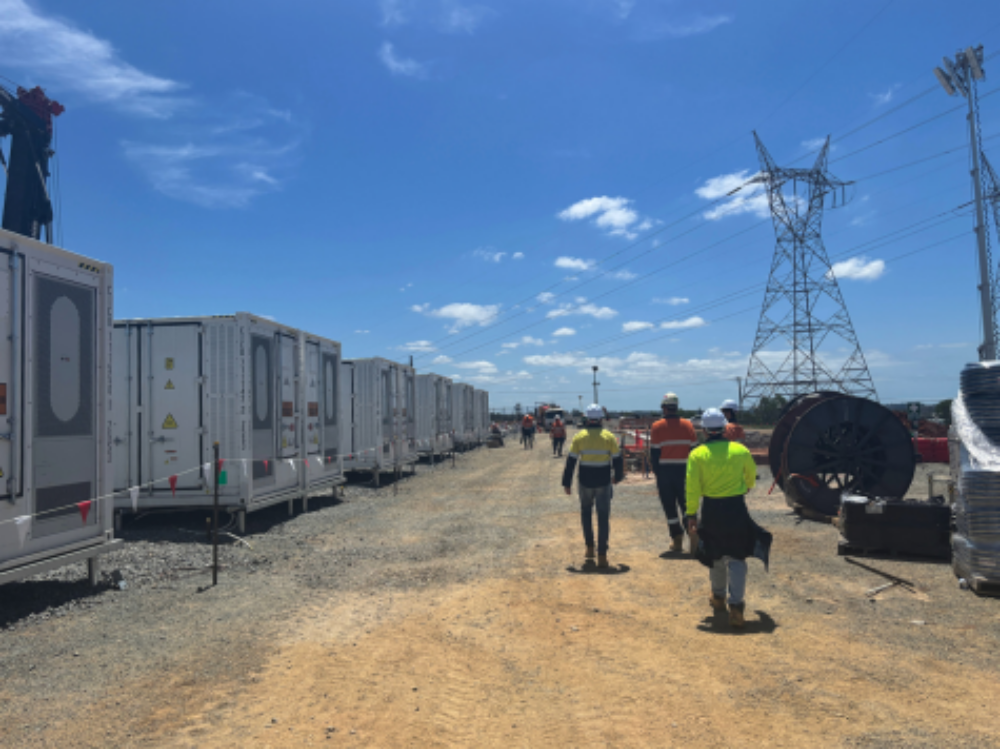
Next up for your technical due diligence consultant are site inspections and condition assessments. Energy infrastructure requires on-the-ground evaluation to verify that the design and documentation accurately reflect the real conditions on site.
During this stage, the consultant will:
- physically inspect the infrastructure, existing assets, and site conditions
- provide building compliance audits and construction quality inspections
- discover any restrictive covenants on areas of degraded land that may limit the project development
- do on-site inspections and condition assessments of mechanical and electronic equipment
- assess any past corrective maintenance and the consistency of preventive maintenance with site conditions to reduce equipment failure rates
- determine damages and unexpected concerns that could affect future performance
- evaluate soil stability, drainage conditions, access routes, and proximity to environmentally sensitive areas.
Technical due diligence assessments produce practical data to support technical verification, asset management planning, and risk mitigation.
Interviews with engineers and contractors
Developing energy infrastructure is a vast, collaborative and evolving endeavour. A key challenge is ensuring that all parties share a common understanding of the technical design, construction methods, and potential risks that may arise throughout the project.
Technical due diligence is crucial in rising to this challenge. The consultant interviews the project team, contractors, and other key stakeholders to collect a range of qualitative information.
As part of the interviewing process, the technical due diligence consultant will challenge performance assumptions around the asset’s life, its major components (solar panels, batteries etc), project timelines, and the operations and maintenance) approach for the future.
The result is a better understanding of the project’s technical design intent, construction methodologies, and any early indicators of potential problems or risks that could potentially affect the overall outcomes of the project.
Risk analysis and reporting
Based on their discoveries through the process, next the due diligence consultant analyses potential risks to the success of the project. These risks can be design-related flaws, environmental vulnerabilities, and/or compliance issues, along with problems found from regular site inspections and other condition assessments.
For each risk identified, the due diligence teams create downstream dispositive options to mitigate or address the risks. The consultant summarises their recommendations into a formal report, as well as suggested actions for each risk.
This ensures stakeholders fully understand the potential issues before committing to significant investments, allowing informed and decisive options to be considered for the project’s future.
Find out more
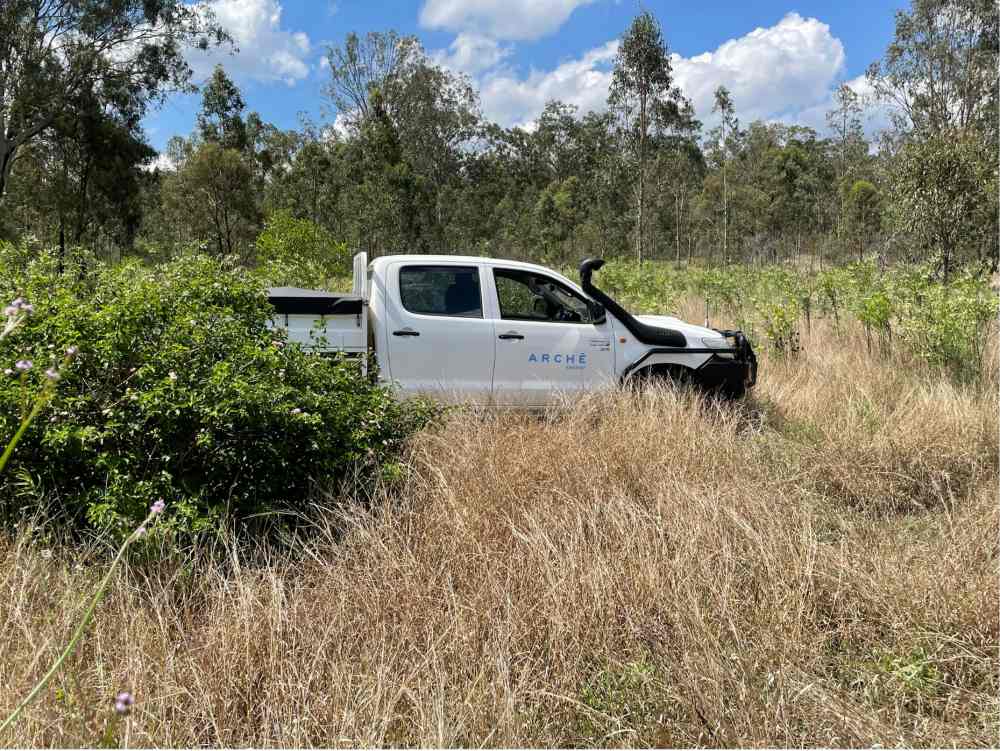
Arche Energy is a trusted technical due diligence consultant providing expert guidance projects in Australia’s energy, resources, and infrastructure sectors, setting them up for success.