
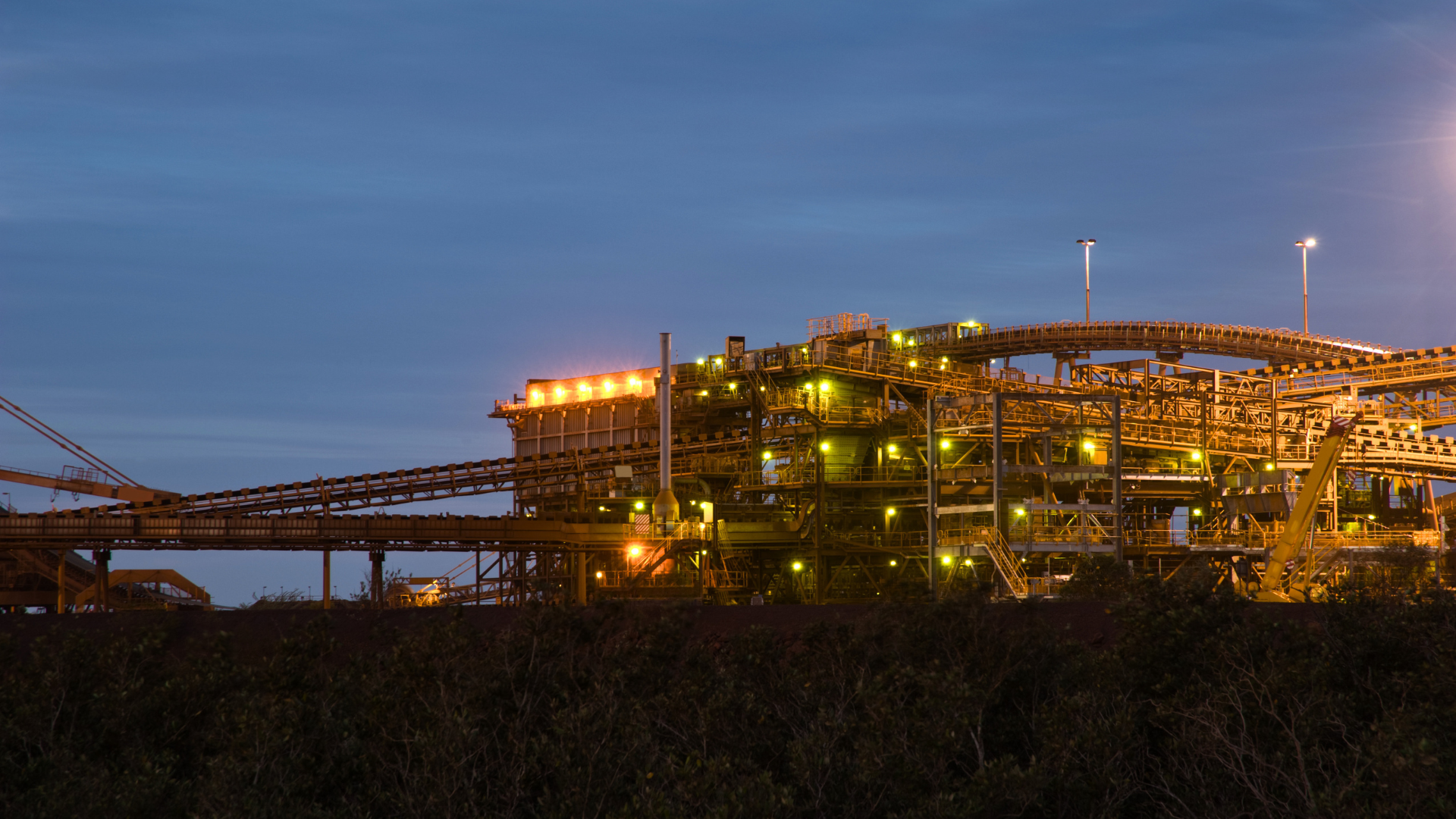
Thanks to our world-leading reserves of lithium, nickel and copper, Australia sits at the centre of supplying the ongoing global shift to electric vehicles. These critical minerals are essential for making batteries, as well as grid-scale energy storage for the broader energy transition.
Transforming raw materials from ore extracted from remote mines into high‑tech battery cells requires intricate engineering and logistics at every stage.
How do these minerals get from the ground to export?
Pilbara lithium
Lithium mining in the Pilbara begins with open‑pit extraction of spodumene ore, where large excavators and haul trucks deliver blasted rock to crushing and grinding circuits.
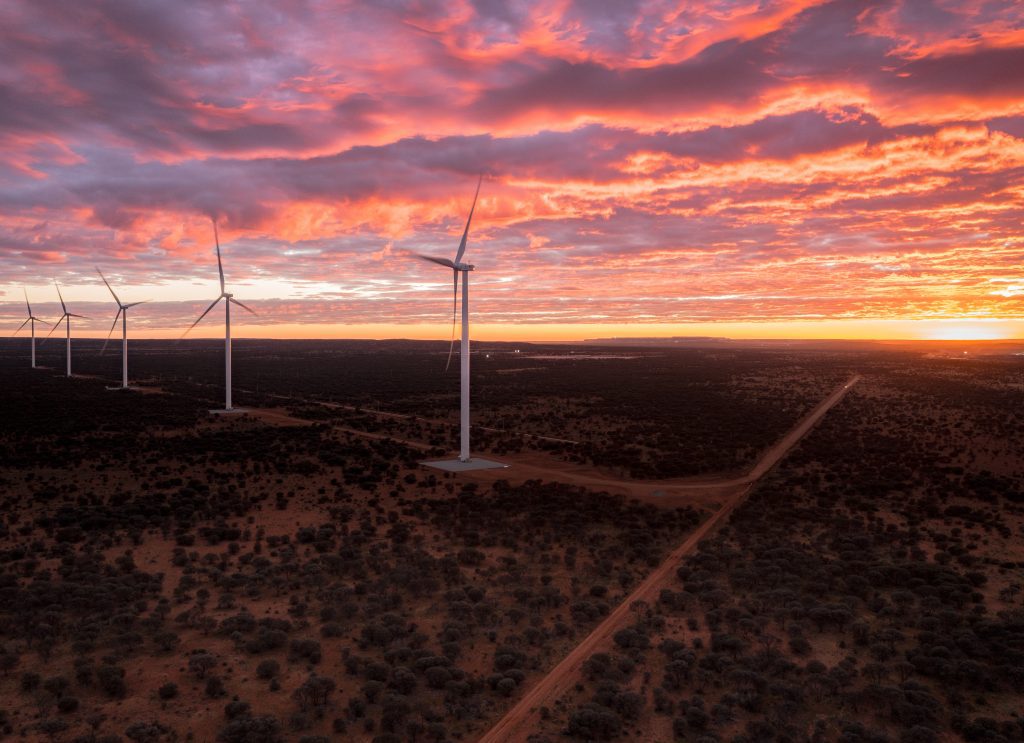
Major operations like Pilgangoora and Greenbushes process millions of tonnes of ore annually. Pilgangoora alone has a capacity of more than 2 million tonnes of spodumene concentrate per year.
First, the ore needs to be crushed and ground using equipment with wear-resistant liners and automated feed controls. The ore then undergoes dense‑media separation, where magnetite slurry separates high‑density spodumene from waste material. The resulting concentrate is dried and transported by rail to Port Hedland.
At the port, enclosed conveyors, dust-suppression systems and covered stockpiles protect workers and the environment. Automated sampling stations on the rail loop verify the concentrate quality before bulk carriers are loaded via enclosed shiploaders.
Advanced shiploader booms swing under radar guidance to align with a vessel’s hatch and control fine‑particle drift. Real‑time SCADA dashboards track each shipment’s tonnage, grade and destination to ensure fast turnarounds and reliable exports.
Goldfields nickel and Mt Isa copper
In Western Australia’s Goldfields-Esperance Region, nickel sulphide ores are extracted from both underground and open cut mines. Ore is milled to below 75 microns before flotation circuits concentrate the sulphide minerals, typically yielding a 10–15% nickel product. Engineers optimise flotation aeration, reagent dosing, and thickener design to maximise recovery, especially in low-grade deposits.
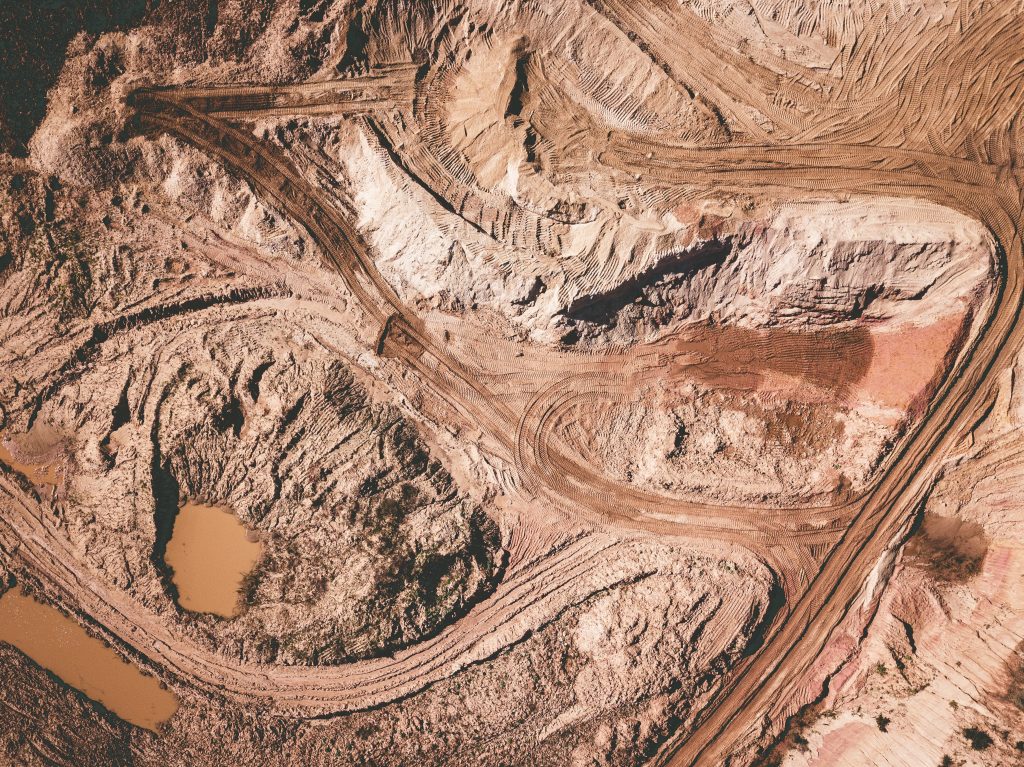
The resulting concentrate is transported by rail, with some shipped overseas while an increasing share is processed at local smelters. At these facilities, furnaces roast the concentrate at over 1,200°C to remove sulphur, producing a mixed nickel‑copper matte. Hydrometallurgical leaching dissolves the matte, followed by solvent extraction and crystallisation to produce battery‑grade nickel sulphate. All pumps, pipelines and reactors are engineered to withstand acidic, high-temperature conditions for long-term reliability.
Copper mining at sites like Carrapateena and Mount Isa follows a similar path. Crushed and ground ore is processed through sulphide flotation, and the concentrate shipped to smelters and refineries in Port Adelaide, Darwin or Mount Isa itself.
These facilities use smelting and electrorefining to produce copper cathodes at 99.99% purity. Conveyor systems, furnaces and rectiformer halls are engineered for high throughput, energy efficiency and strict environmental controls.
Engineering materials handling
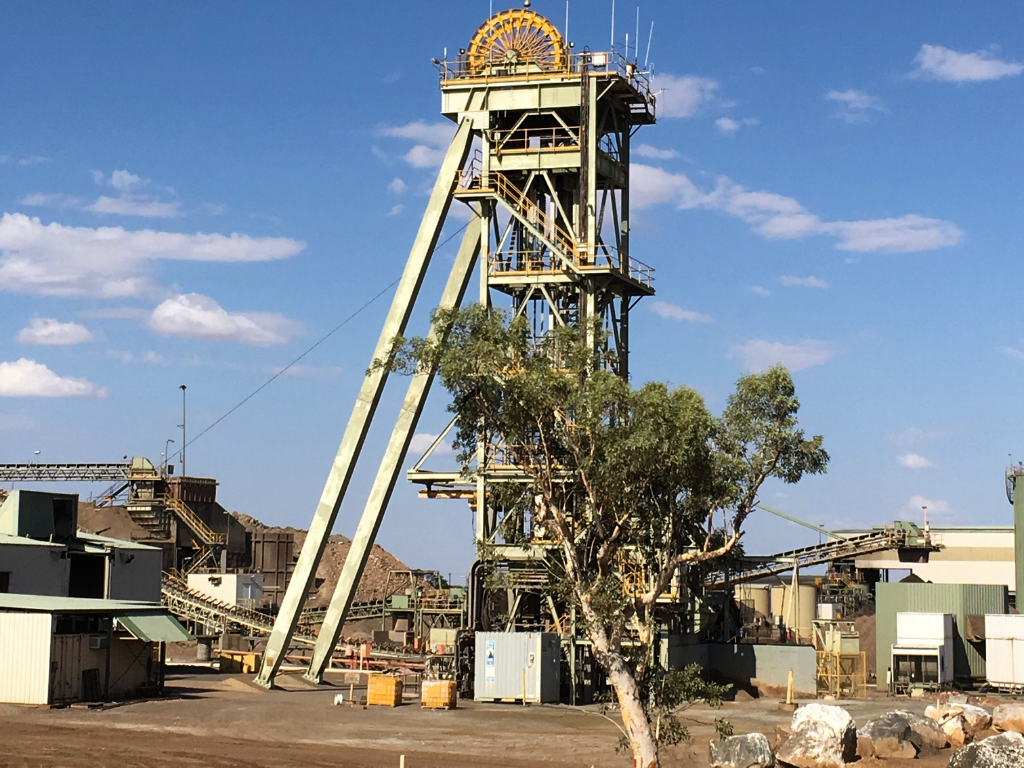
Moving millions of tonnes of concentrate each year depends on the integration of trucks, trains, conveyors and shiploaders. At the Lindfield Vanadium Project in Queensland, Critical Minerals Group’s pilot concentrator uses modular flotation units that were trucked in and assembled on site — minimising earthworks and enabling rapid commissioning.
Engineers equipped the plant with automated belt scales, XRF grade analysers, and remote control chutes, ensuring consistent product quality from ore receipt through to shiploading.
Across Australia’s major ports, dust suppression measures such as water-mist and enclosed transfer towers protect air quality and meet strict environmental standards. Tug-guided Panamax carriers dock at low-swell berths, where dynamic-positioning shiploaders swing precisely on gantries. SCADA and predictive maintenance systems monitor equipment health, anticipating wear before failures can disrupt shipments.
From ores to cells
Australia’s next frontier in this sector is expanding our domestic refining and battery cell assembly. In Kwinana, WA, facilities process cobalt and nickel sulphates in crystallisers to produce cathode precursors with controlled particle morphology, ready for integration into cathode mixing plants.
In the east, gigafactories in NSW and Victoria are combining these materials with graphite and silicon to manufacture electrodes.
Advanced manufacturing
Cathodes and anodes
After the minerals are refined into battery-grade materials, they are fed into highly automated production lines built on precision engineering, to be transformed into cathodes and anodes.
The production of cathodes and anodes is one of the most technologically sophisticated stages of the battery value chain. Battery-grade chemicals arrive as highly purified powders and are blended in precise formulations using automated mixing systems capable of measuring ingredients to within fractions of a percent.
Once produced, cathode and anode materials are transferred through enclosed pneumatic conveying systems to prevent contamination. Automated materials handling equipment, including robotic bagging stations, vacuum transfer systems and bulk storage silos, ensures consistent product quality while minimising workers’ exposure to fine powders.
Electrodes
Electrode manufacturing requires even greater precision. Computer-controlled mixers combine active materials with binders, solvents and conductive additives to create slurries with tightly controlled viscosity. Automated coating lines then apply these slurries onto thin metal foils travelling at speeds of up to several hundred metres per minute. Advanced laser and optical sensors continuously monitor coating thickness, surface uniformity and edge quality, making real-time adjustments to maintain product specifications.
After coating, solvents are removed using long-drying ovens and the electrodes are then compressed to optimise density and porosity, which directly influences battery energy density and charging performance. Machines inspect every metre of material, identifying microscopic defects that could compromise battery safety or lifespan.
The finished electrode rolls are sliced into narrow strips and robotic handling systems transfer them into climate-controlled environments. Thousands of sensors feed data into manufacturing execution systems and digital control platforms, allowing engineers to track quality, optimise throughput and ensure that every batch meets the exacting requirements of modern electric vehicle and energy storage batteries.
Cell assembly
In battery cell production, precision automation becomes even more critical. Cell assembly typically takes place in dry-rooms with humidity levels below 1% due to lithium’s reactivity. Production lines are fully enclosed and controlled by sophisticated systems that track every component.
As automated machinery assembles cathodes, separators, and anodes, robotic systems position each layer with sub-millimetre accuracy. Laser welding stations then connect electrode tabs and current collectors.
The assembled electrode stacks are inserted into cell casings and then an electrolyte is injected under vacuum conditions. This process ensures complete wetting of the electrodes and separator, which is essential for long-term performance of the battery. Automated equipment seals the cell and leak tests it using systems that can identify microscopic defects.
The cells then enter the formation stage, one of the most time-consuming and energy-intensive steps in battery manufacturing. Cells undergo carefully controlled charge and discharge cycles that create a protective layer on the electrodes. Thousands of cells are connected to automated charging racks, where voltage, temperature and current are monitored continuously. Any cell that falls outside performance tolerances is removed from the production line.
Cells are then aged, tested and graded according to capacity, internal resistance and performance characteristics. High-speed inspection systems analyse electrical data and visual characteristics to ensure only compliant cells proceed to battery pack assembly.
From cells to battery packs
Individual cells go to pack assembly lines, where automated guided vehicles and robotic handling systems group them into modules. Module are connected using laser-welded busbars while temperature, voltage and current are closely monitored.
The modules are then integrated into larger battery packs that include cooling systems, structural supports and management systems. Engineers design these packs to withstand vibration, impact loads and thermal expansion while maintaining optimum operating temperatures.
Robotic assembly stations install wiring harnesses, electronic controllers and protective casings before the completed packs undergo electrical, thermal and vibration testing. End-of-line testing verifies charging performance, insulation resistance, cooling effectiveness, and safety compliance before batteries are approved for shipment.
Transporting batteries to market
Finished battery packs are classified as dangerous goods due to the energy they contain and the risk of thermal runaway. As a result, transporting batteries is complex, requiring specialised packaging, handling procedures and regulatory compliance throughout the supply chain.
Automated warehouse systems store the finished batteries in fire-protected facilities. Battery packs are then secured within purpose-built shipping frames that prevent movement and absorb shock during transport. Whether travelling by truck, rail or sea, each shipment is tracked through digital logistics platforms throughout the journey.
Batteries are timed to arrive at EV assembly plants just in time to be installed in vehicles to minimise storage time and maintain production efficiency.
A highly engineered supply chain
From the extraction of spodumene in the Pilbara to the delivery of finished battery packs to vehicle assembly lines, the entire process of capitalising on Australia’s natural resources relies on advanced engineering, automation and logistics. Every stage must be carefully coordinated to transform Australia’s critical minerals into the high-performance batteries powering electric vehicles and energy storage systems around the world.
Reach out to get in touch with experts who can tell you more.