
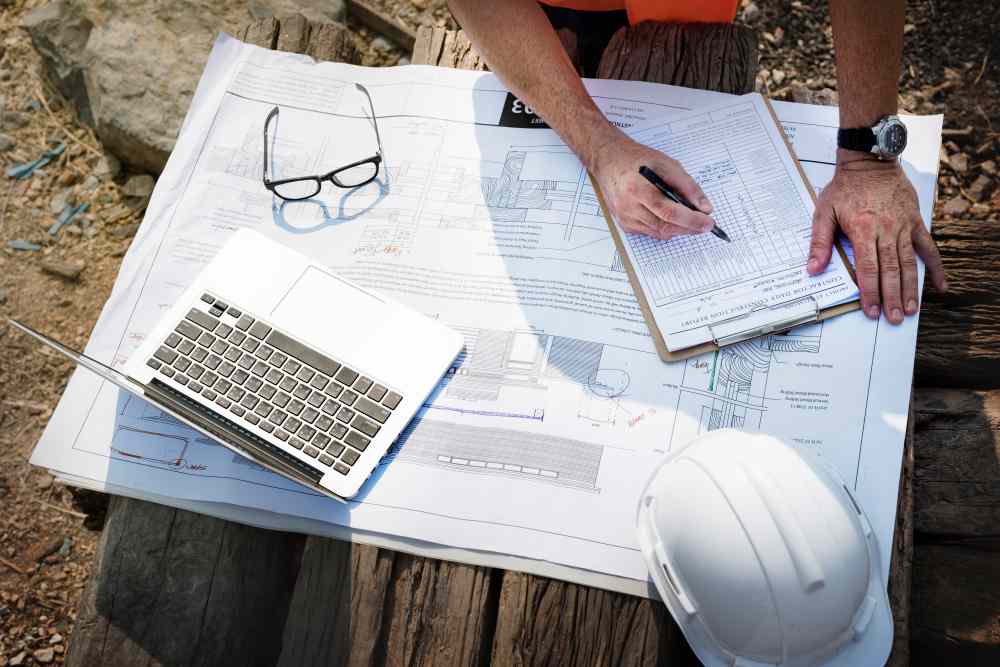
Infrastructure projects such as railways, roads, water, and large power plants are capital-intensive, complex projects that pose several technical, regulatory and financial challenges. These challenges must be planned for and addressed through technical due diligence — an independent...
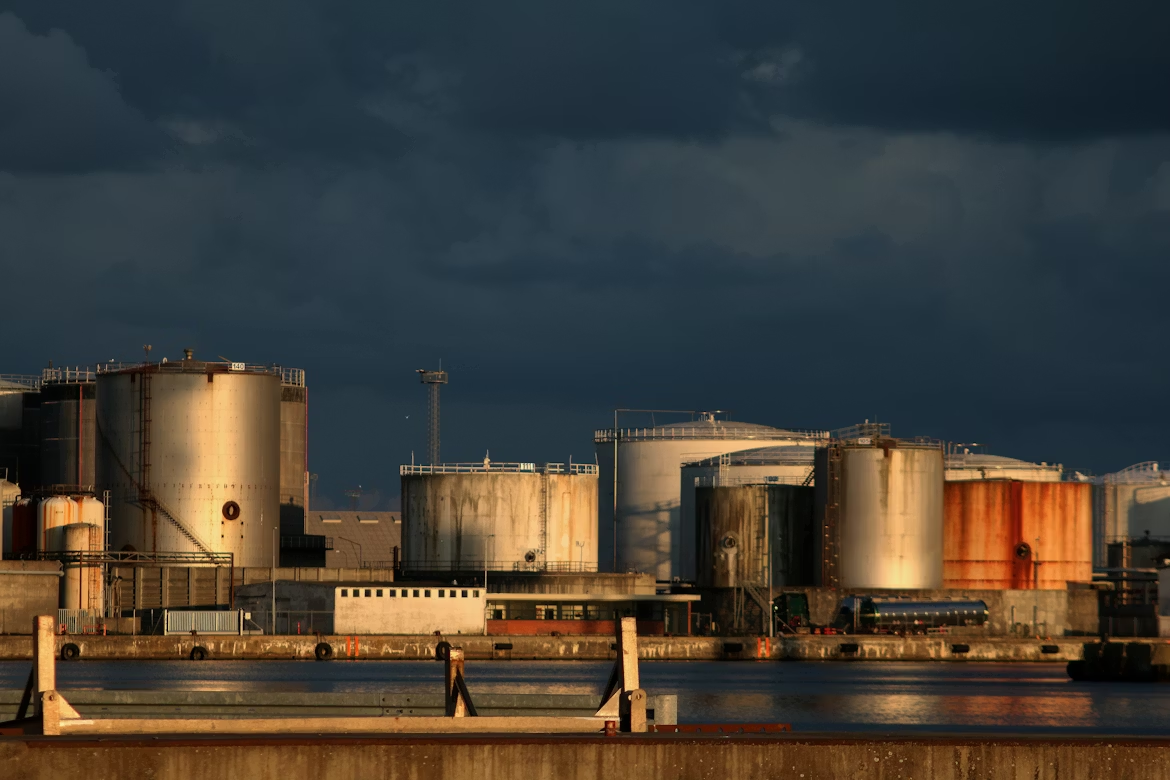
Unless you live under a rock, you will have noticed recently that Australia is sensitive to disruptions in its long fuel supply chain. While we...
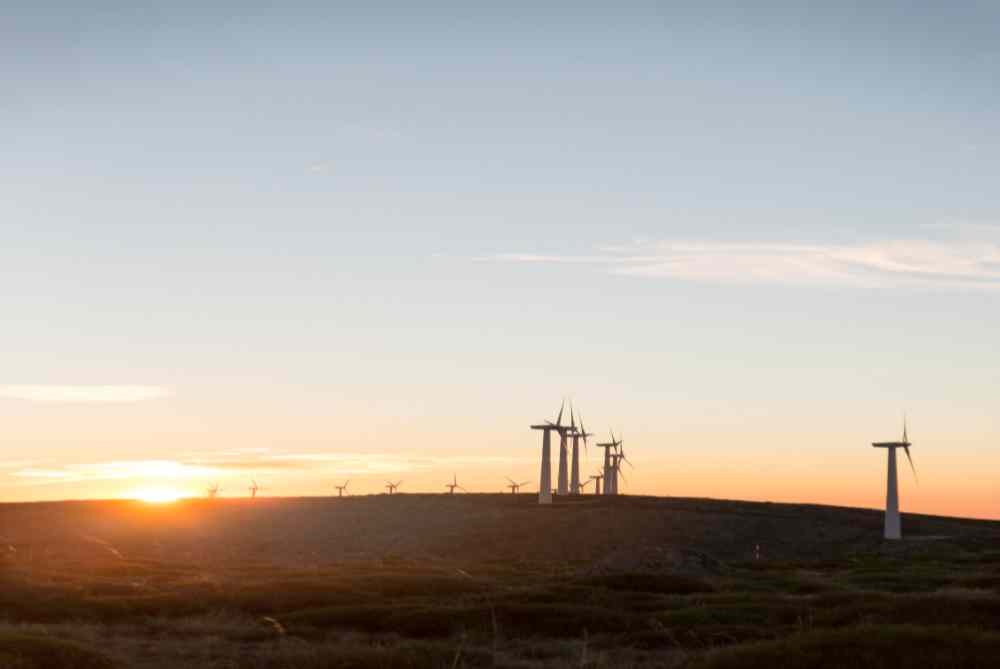
Queensland’s new legislative environment, including the Energy Roadmap Amendment Bill 2025 and the transition to the Energy (Infrastructure Facilitation) Act, is designed to streamline approvals and strengthen transmission...

Although renewables provide 30% of Queensland’s contribution to the NEM, the stability of its supply depends on the state’s fleet of thermal (coal and gas) power stations to provide firming capacity. As renewable penetration continues to increase, Queensland needs...
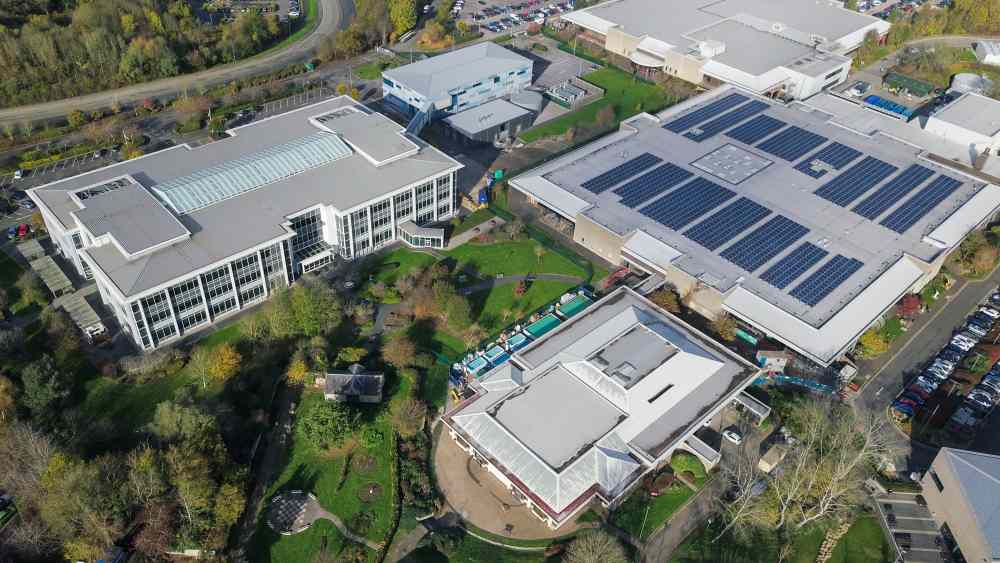
A year ago, Bloomberg NEF (BNEF) reported the largest annual drop in battery prices since 2017. Turnkey energy storage system prices fell by around 40%, dropping to US$165/kWh in...
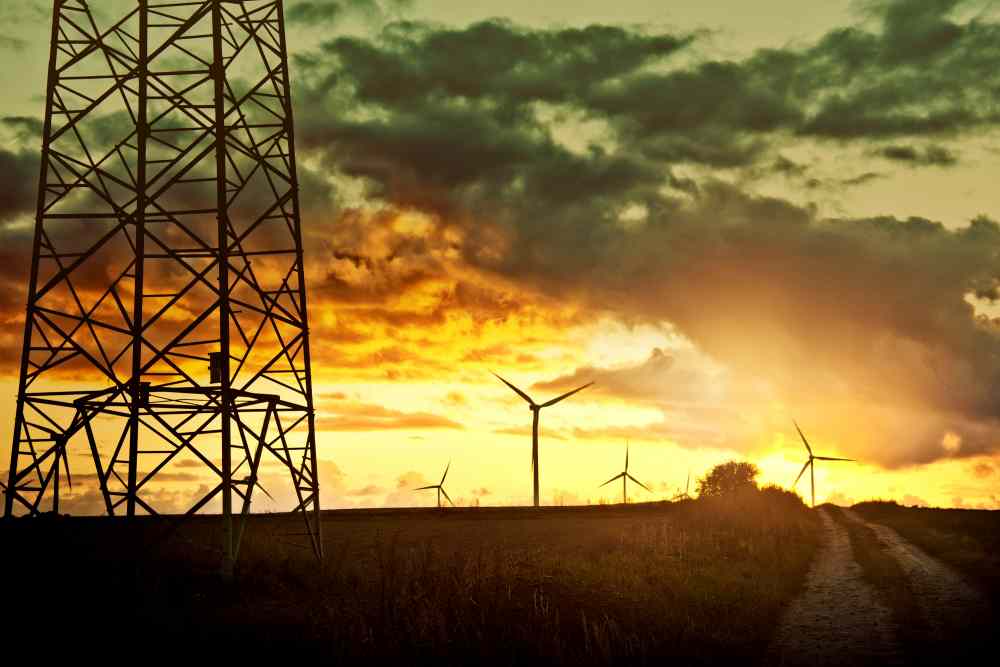
Queensland’s Energy Roadmap 2025 marks a major shift to focus more heavily on reliability. The state is now prioritising firm and dispatchable generation, particularly gas as one of the backbones...
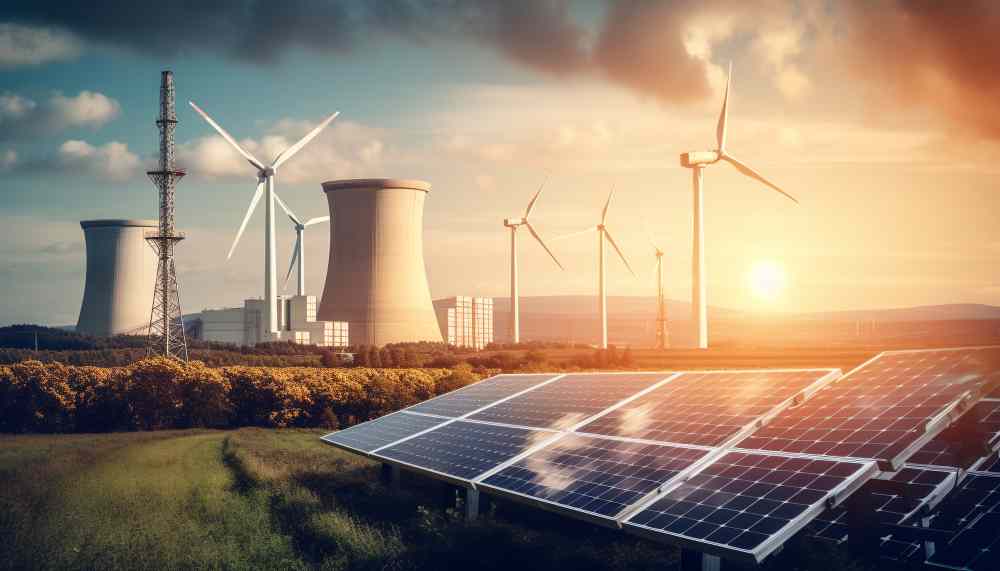
Artificial intelligence (AI) is transforming battery energy storage systems (BESS) from manual processes into adaptive and cost-effective assets. The shift is shown in the numbers already. In...
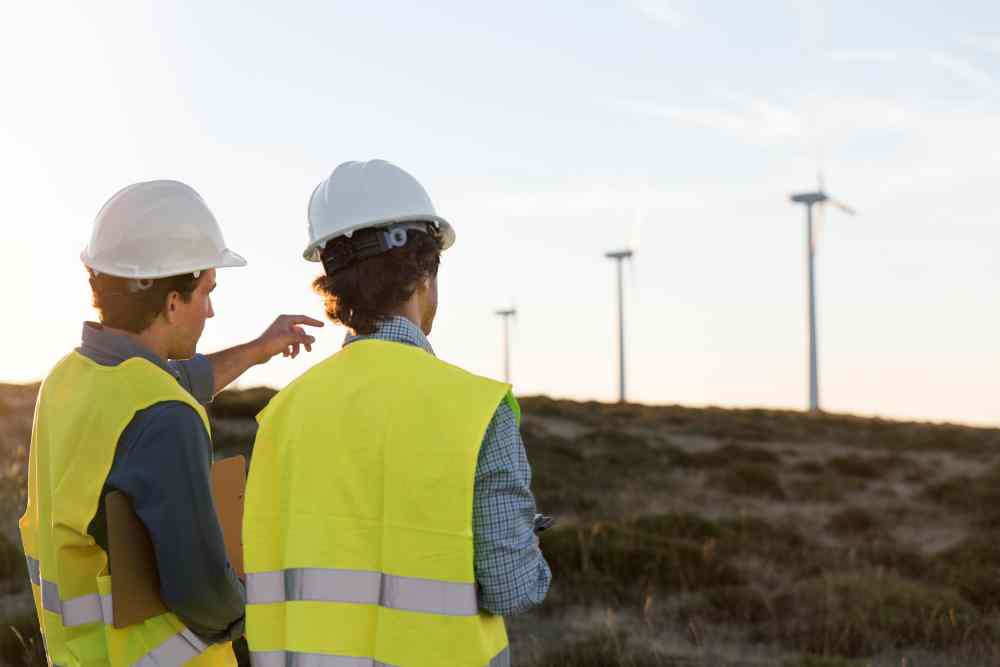
When you’re operating outside your organisation’s technical comfort zone, that’s where RPEQ supervision becomes a real asset. More than a compliance exercise, it’s a layer of accountability...

When you engage an Owner’s Engineer, you’re adding a high‑performing technical partner to your team. The project starts to feel calmer, clearer and more predictable....